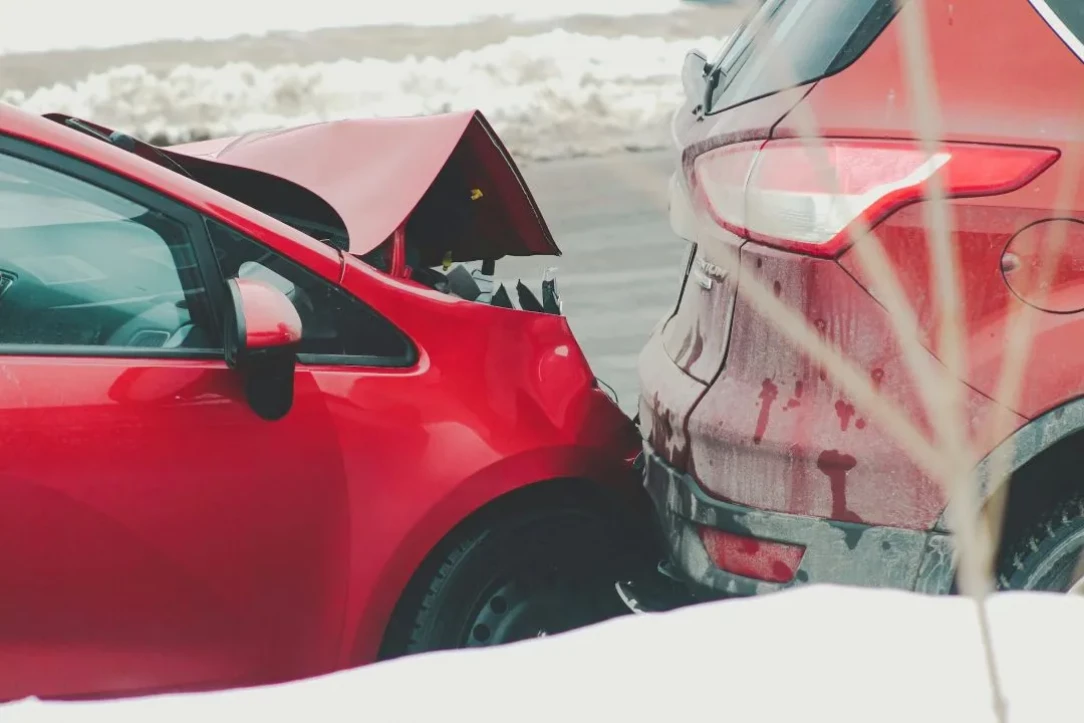
Buying a car with an accident history can be a smart decision if the damage was minor, repairs were completed correctly, and an independent inspection confirms there are no structural, airbag, suspension, or safety-system issues. A previous accident does not automatically make a vehicle unsafe or unreliable, but undocumented repairs, frame damage, airbag deployment, or poor workmanship can significantly increase the risk.
Not All Accidents Are Equal
An accident during a test drive may result in a scraped bumper, while a highway collision can affect hidden load paths. The word ‘accident’ alone does not indicate the severity. A minor collision, a parking hit, and a hard side impact are different buying risks. You need to assess the event, the parts involved, and the car's current condition. The goal is not to avoid all accident-history cars, but to avoid rushed work and missing proof.
|
Accident Type |
Typical Damage Area |
Buyer Concern |
Practical Risk |
|
Parking scrape |
Bumper cover, fender |
Paint quality |
Low |
|
Low-speed hit |
Outer trim, sensors |
Alignment and calibration |
Low to medium |
|
Side impact |
Doors, rocker area |
Structural integrity |
Medium |
|
Front impact |
Cooling, rails, safety features |
Parts and measurements |
Medium to high |
|
Heavy crash |
Rails, suspension, cabin |
Integrity of the vehicle |
High |
According to the Insurance Institute of Highway Safety (IIHS) crash test methodology, ratings come from controlled tests of tested configurations. Fully repaired structural components are not retested as a separate rating path, so prior structural work can make real-world conditions different from the published score.
What Counts as a Minor Accident
A minor collision usually means damage that stays outside the core structure. Think scratched paint, a cracked bumper cover, a dented door skin, or one broken headlight. It typically does not involve bent rails, fluid leaks, suspension movement, or a branded title. It is important to know that “minor” on a listing is still a seller’s word, not proof. Look for these signs before you purchase a car.
Signs the accident was genuinely minor:
- Damage is limited to bolt-on exterior parts.
- There are no uneven panel gaps around the affected area.
- Paint match is consistent in daylight, with no obvious mismatched paint.
- Repair records show parts, dates, and labor.
- A trusted mechanic finds no hidden issues underneath.
Cosmetic and Panel Damage
Cosmetic accident damage is the easiest type to understand. It often affects paint, trim, lights, bumper covers, and body panels. A paint thickness gauge can reveal repainting, filler, or blended areas. Repaint alone is not proof of a car accident. However, patterns matter. Before accepting cosmetic claims, know what to look for:
- Overspray on rubber seals, glass edges, or wheel liners.
- Doors or hood edges that are slightly misaligned.
- Fresh clips behind an older bumper cover.
- Uneven orange peel compared with factory paint.
- A new outer panel beside the older surrounding panels.
Airbag Deployment and Moderate Structural Damage
Airbags deploy when sensors detect enough force. Their presence changes the risk assessment. Moderate car damage may be acceptable only when the airbag system, belts, modules, and sensors were replaced correctly.
Once this safety gear is deployed, ask for detailed repair documents, scans, calibration proof, and confirmation that the repair was documented. If warning lights appear, the protection system may fail later.
Frame Damage and What It Means Long-Term
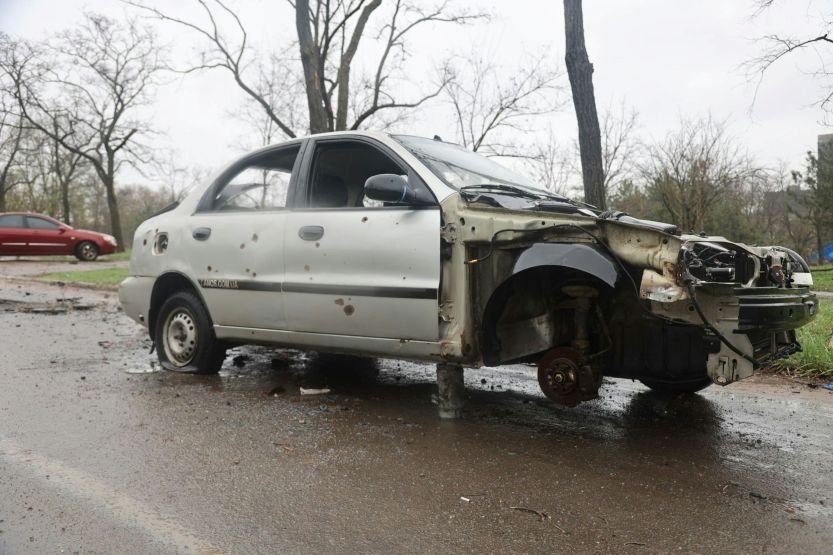
Frame damage is not limited to “bent metal.” It can change alignment, tire wear, crash energy flow, and crumple zone integrity. A car may look straight afterward. However, it can still pull, rattle, or wear suspension parts quickly. Long-term issues depend on the extent of the damage. Consider the quality of repairs. Be cautious when you see these clues:
- Weld marks, heat stains, or sealer that looks newer than nearby areas.
- Suspension parts replaced on only one side.
- Doors that close differently from side to side.
- Steering wheel off-center after alignment.
- Notes showing extensive repairs to rails, pillars, or rocker panels.
IIHS states that major occupant-compartment intrusion is linked to injury risk even when dummy readings are low. That is why structural condition matters after an impact.
How to Read a Vehicle History Report the Right Way
A vehicle history report is a starting point, not a verdict. It can show title events, mileage, ownership, auction notes, and an accident report, but it may miss cash fixes. Consider VinGurus, a service that helps you check the history by VIN before travel, shop visits, or negotiation. Compare dates, mileage, and service entries.
The table below shows which flags deserve attention before signing:
|
Data Point |
What It Tells You |
What to Look For |
Risk Level |
|
Title status |
Legal branding |
Salvage, flood, lemon |
High |
|
Damage record |
Reported event |
Impact area and seriousness |
Medium to high |
|
Odometer entries |
Mileage trail |
Gaps, rollbacks, sudden jumps |
High |
|
Service notes |
Care and parts |
Missing post-crash service |
Medium |
Salvage Title vs. Rebuilt Title After an Accident
A salvage title usually means the insurer considered the loss too costly to fix compared with the vehicle’s market value. A car with a rebuilt title has usually returned to road use after a state process, but that process does not guarantee perfect restoration. The pros and cons of buying one depend on documents, checks, and price. Do not treat the label as proof of a clean condition
|
Title Type |
What It Means |
Can You Register It? |
Main Concern |
|
Clean |
No major brand shown |
Usually yes |
Past damage may still exist |
|
Salvage |
Declared major loss |
Often, not until state clearance |
Unknown repair path |
|
Rebuilt |
Returned to public roads |
Usually yes |
Future resale and insurance costs |
How to Inspect an Accident History Car Before Buying

Use a VIN decoder to confirm basic specifications. Then, examine the car in person. A car with an accident history should be thoroughly inspected on a lift. Scan for codes. It should also be road-tested before purchase. Photos help in this case. Nonetheless, they cannot confirm alignment or sensor calibration. Before buying, focus on the type of damage, whether airbags deployed, if structural components were affected, and whether safety systems were properly recalibrated.
Checklist for a Physical Inspection
A physical check should move from simple visual signs to mechanical clues. Do it in daylight on level ground. Bring a flashlight and a notepad. If something feels inconsistent, pause before you buy. Use this order:
- Check panel alignment, bumper fit, glass markings, and paint texture.
- Look under carpets and trunk trim for water, welds, or fresh sealer.
- Compare tire wear across all corners.
- Scan modules for stored crash or sensor codes.
- Test braking, steering, lane assist, and warning lights during a drive.
When to Hire an Independent Inspector
Hire help when the paperwork is thin or the price seems too attractive. A good inspector can spot hidden movement, poor welding, missing shields, and electrical problems. This helps when purchasing a car from another state. Pay for expert help before you purchase when these apply:
- The seller cannot prove where the work was done.
- The repair facility is unknown, or the reviews look weak.
- The damage reached suspension, frame, or cooling systems.
- The seller refuses a pre-purchase inspection.
- The work was not performed by a reputable body shop.
Calculating the Real Cost of Buying an Accident History Car
A lower price helps only if it offsets the risk. Compare the asking price with a similar clean used car. Subtract likely future costs. Include insurance premiums, remaining warranty limits, resale value, and shop fees. To calculate the real price gap, use these steps:
- Find the price of the same car model with no reported damage.
- Subtract the seller’s price. Add immediate repair work.
- Adjust for future resale, warranty limits, and higher coverage cost.
For example, if a comparable clean-history vehicle is worth $20,000 and the accident-history vehicle is listed for $17,000, the apparent savings are $3,000. However, after a $250 pre-purchase inspection, $800 in immediate maintenance, and an estimated $1,500 reduction in future resale value, the real savings may be closer to $450.
Does Accident History Depreciation Ever Stop?
Accident depreciation slows over time. However, it rarely disappears. Older, cheaper car models may suffer less. Buyers care more about condition than records. Newer car models lose more value because a brand-new vehicle has clearer expectations. Even after five years, damage records can still reduce trust, trade-in offers, and resale value.
How to Negotiate the Price Down Using Accident History
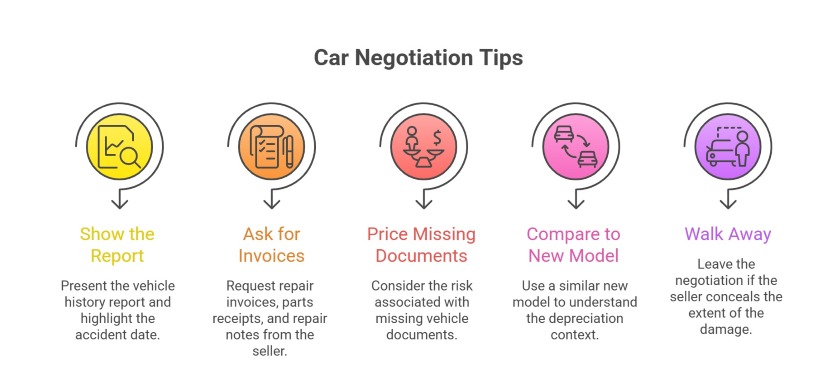
Negotiation works best when you bring evidence. VinGurus can help you pull records before the visit. Therefore, you can discuss facts instead of vague suspicions. If the seller advertises a clean car title but the report shows damage, ask for proof and a fair discount. Do not buy because the car feels cheap. Purchase only when the math makes sense. Use these points to support your offer:
- Show the report and identify the previous accident date.
- Ask for invoices, parts receipts, and repair notes.
- Price missing documents as a risk.
- Compare the car with a similar new model only for the depreciation context.
- Walk away if the seller hides the severity of the damage.
Your Legal Rights When Buying an Accident History Car
Your rights depend on state law, seller type, written promises, and “as is” language. A dealer may have a legal obligation not to misrepresent a motor vehicle. The UCC implied warranty of merchantability generally means merchant goods must be fit for ordinary use unless excluded.
Several federal laws may protect buyers even when a vehicle has accident history. The Federal Odometer Act (49 U.S.C. Chapter 327) prohibits mileage fraud and requires accurate odometer disclosures during vehicle transfers. In addition, state consumer protection laws, often called Unfair and Deceptive Acts and Practices (UDAP) statutes, generally prohibit dealers from making false or misleading statements about a vehicle’s condition.
What Sellers Are Required to Disclose
Disclosure rules vary. Do not rely on a handshake. Dealers usually face stricter rules because they sell cars professionally. Private sellers still cannot usually lie when asked directly. Before you buy a car, note the difference between the two seller types.
Dealer obligations:
- Disclose known title brands and required state notices.
- Avoid false claims about a clean title or damage.
- Provide accurate odometer information.
- Honor written promises about the condition.
- Follow warranty and “as is” disclosure rules.
Private seller obligations:
- Answer direct questions honestly.
- Avoid hiding known major defects.
- Provide title documents that match the sale.
What to Do If You Find Hidden Damage After Purchase
Post-sale surprises are frustrating. However, documentation matters. Do not keep driving if the car feels unsafe. Take photos. Save messages. Get a written diagnosis. Compare pre-sale claims with shop findings. Use this plan:
- Get a written estimate from an independent repair shop.
- Collect the listing, bill of sale, messages, and notes.
- Contact the seller in writing and request a solution.
- Report title fraud or odometer fraud to the proper state agency.
- Speak with a consumer attorney if the loss is large.
Key Takeaways
- Not every accident makes a car unsafe, but documentation matters.
- Minor cosmetic damage is not necessarily a bad outcome.
- Frame, suspension, or sensor damage should increase the risk rating.
- A report helps, but it cannot replace a careful physical review.
- The best way to buy a car is to compare records, condition, and price together.
- Never purchase without title status, invoice proof, car records, and the seller's answers.
A smart buyer treats an accident as a question, not an automatic yes or no.
Frequently Asked Questions
Is It Risky to Buy an Accident Car Without Repair Invoices?
Yes. Without invoices, you cannot confirm the parts, labor, and calibration. Also, you cannot check whether original equipment was used or whether the car was properly repaired. Therefore, the discount should be much larger.
Can Accident Repairs Affect Crash Safety in a Future Collision?
Yes. Inadequate repairs can change how energy moves through the structure during the next collision, especially if rails, welds, sensors, or original weld points were affected.
Is Repainting Always Evidence of an Accident?
No. Repainting can happen because of scratches, fading, vandalism, or cosmetic preference on one panel alone. Look for patterns, location, and supporting records before assuming accident damage.
How Long Does Accident History Stay on a Vehicle Record?
Reported damage can stay on a record for the life of the used vehicle through commercial data sources. However, buyer concern may fade as mileage and age increase.
Can a Car Pass a State Safety Inspection and Still Have Hidden Structural Damage?
Yes. State checks often focus on roadworthiness items. Detailed frame measurements, weld quality, sensor calibration, or concealed structural repair are usually not considered.
How Much Does a Minor Accident Devalue a Car?
It’s not uncommon for minor damage to reduce market value by a few percent, but the exact loss to car value depends on age, documentation, demand, and finish quality.