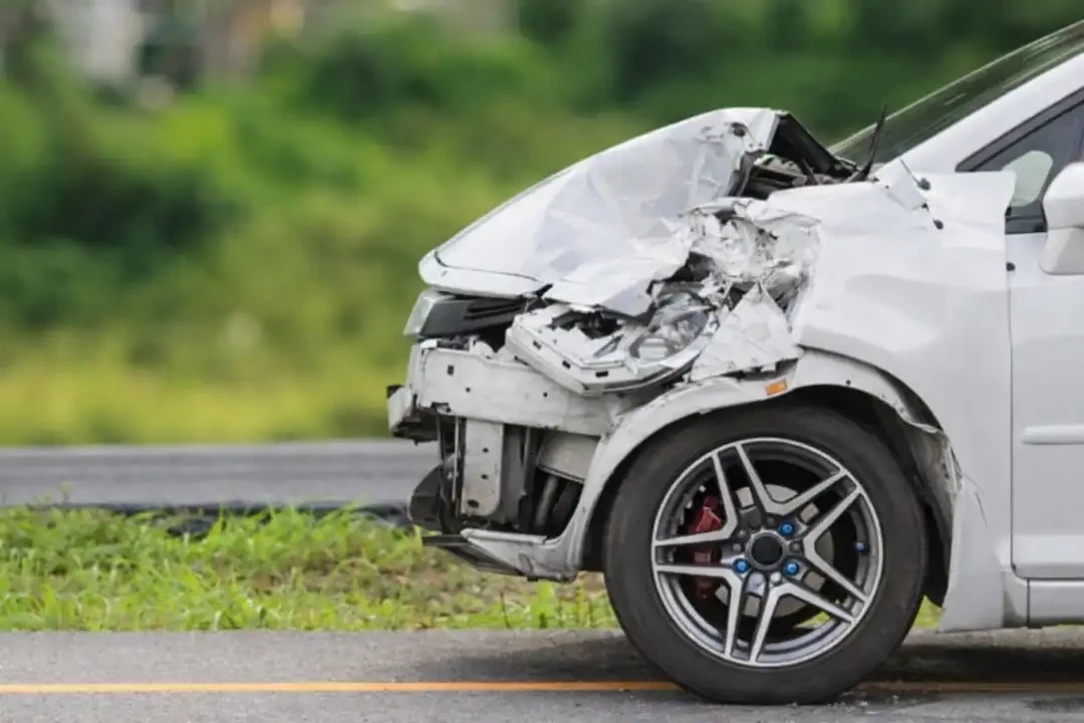
If you crash a car during a test drive, financial responsibility depends on fault, state insurance law, and which policy (dealer or yours) is primary. In most cases, the dealership’s insurance handles the damage, and the driver pays only if they caused the crash, violated test-drive rules, or signed a waiver shifting liability. You may owe a deductible, part of the repair costs, or, rarely, the car’s actual cash value (ACV) if it’s totaled. Clear documentation and understanding the coverage order determine what you ultimately pay.
How Liability Is Determined After a Test Drive Accident
Liability after a test drive car accident is set by evidence and the paperwork you sign at the dealership. They confirm you were taking a test drive under the agreed-upon route and rules. In many test drives, the first notice goes to the seller's insurance. However, the driver’s insurance can be billed. If injuries are claimed, contact a personal injury attorney. To understand how liability is assigned in a real test-drive crash, investigators review three main categories of evidence:
- Scene evidence: Photos, witness names, and the other driver's contact details.
- Contract clues: The form where you sign liability waivers and any stated limits.
- Policy clues: Notes on whose insurance covers the loss and what insurance coverage applies.
How State Laws Affect Liability in a Test-Drive Accident (Fault vs No-Fault)
State law changes how fault is handled when a crash during a test drive happens. In at-fault states, the party who caused the damage pays through their insurer. In no-fault states, each side starts with their own car insurance for certain losses, then argues fault later. For example, New York’s no-fault rules outline this process clearly. Comparative systems split payment by percentage of fault. Thus, being partially at fault reduces recovery. The legal path of resolving accidents during test drives differs by state. Consequences depend on where the accident occurred.
|
State Type |
How It Usually Works |
|
At-fault |
The party that caused the accident pays. The proof focuses on the fault for the accident. |
|
No-fault |
Each side uses its own coverage first. Lawsuits need injury thresholds. |
|
Comparative fault |
Payment is reduced by the percentage of fault when blame is shared. |
Who Files the Accident Report and When It Becomes Public Record
Safety comes first. Then, report the accident. Police usually write the main report if they respond, while DMV forms may be filed by the driver or the dealer. Dealerships are required to keep internal records for inventory incidents, and those internal reports can matter later. If you were involved in a test drive, ask which report number will be referenced. Many police reports become public record after processing. If you need copies and the story is disputed, a law firm can request the file. Then, you can compare versions.
- Call authorities: Do this for injuries, hit-and-run, or clear vehicle damage.
- Notify the dealership: Ask who is responsible for intake and next steps.
- Save the case number: You’ll need it to report the circumstances of the accident accurately.
What You Might Owe: Real Cost Breakdown
On test drives, you might owe a deductible, towing, storage, and rental days while claims are reviewed. If you were outside the agreement, you may pay for the wreck directly. Beyond these immediate expenses, some dealerships may include secondary costs tied to how severely the vehicle is damaged. This can include fees for extended diagnostics, recalibration of sensors, or storage while the vehicle is assessed. In rare cases, you may also see charges related to the dealership’s lost use of the car if it was removed from inventory during repairs. These costs vary widely, but they typically appear only when liability is clearly assigned to the driver.
Minor Damage vs Major Collision vs Total Loss
A low-speed scrape can still be costly. Bumpers hide sensors and painted parts. A harder impact can deploy airbags and lead to a car crash. Total loss is declared when the repair cost exceeds a threshold, and the accident depends on valuation. If you were involved in a car accident during a test, the dealership may pause the sale until repairs and disclosure are complete.
|
Result Type |
Typical Signs |
Common Cost Drivers |
What You May Be Asked To Pay |
|
Minor Damage |
Paint, lamp, or parking sensor scuffs |
Paint blend, calibration, parts markup |
Deductible/small invoice if limits apply |
|
Major Collision |
Airbags, steering pull, or fluid leaks |
Towing, tear-down, frame checks |
Deductible plus costs beyond the insurance policy |
|
Total Loss |
High estimate vs value; structural hits |
Valuation dispute, storage, paperwork |
Possible out-of-pocket if you were uninsured |
How Vehicle Condition Impacts Liability & Damage Responsibility

Condition can change arguments about who’s responsible, especially if a system failed. Note warning lights before leaving the lot and mention them immediately after a test drive if something felt unsafe. A dealer may say the unit was fine like any other car, while you may argue that a defect contributed. If a defect points to the dealership or manufacturer, save photos and messages. These details can affect liability and vehicle damage decisions. An experienced car accident attorney can help you preserve evidence. When evaluating whether a vehicle issue may have influenced the crash, reviewers look at specific mechanical and safety components that commonly reveal defects or poor maintenance. These include:
- Tire wear: Uneven tread reduces grip. It also lengthens the stopping distance.
- Brake response: A soft pedal can signal fading/hydraulic issues.
- Dashboard warning lights: A lit ABS or airbag lamp can indicate system trouble.
- ABS/traction control malfunction: Erratic intervention can change handling mid-corner.
- Steering/alignment: Pulling or vibration can point to suspension problems.
- Tire pressure: Low pressure worsens stability.
- Sensor faults: False alerts can distract you at the worst time.
- Prior damage marks: Existing dents help separate old wear from new damage.
Insight: Independent crash-prevention testing from IIHS also shows how system behavior can affect collision outcomes.
What Happens Immediately After the Crash
Right after a test drive, move to a safe spot. Check for injuries. Call the police if needed. Then, contact the dealership. Take photos and exchange details with the other driver. In the first hour, it also helps to note any warning lights, unusual noises, or mechanical behavior you noticed just before the impact, as these details may influence liability decisions. If the crash disrupted traffic or involved multiple vehicles, record the scene layout before cars are moved.
Worst-Case Outcome & How to Navigate It

The accident during a test drive may involve injuries. In this case, you may need to provide the insurance company with the necessary paperwork. This includes recorded statements and medical documentation. If you were uninsured, the dealer may demand payment before repair work starts. Some dealerships will stop the sale right away.
Most timelines move in phases: reporting and estimates in week one, repair and negotiation next, then closing paperwork. A repair-only case may close in 2–4 weeks; a personal injury claim can take longer. Premiums can rise if the insurance pays. If you feel pressured to sign anything, call an experienced car accident lawyer immediately. A lawyer can help you avoid false accusations.
How to Document the Damage to Protect Yourself
Good documentation prevents billing surprises. Take wide and close photos, including road signs and the lot entrance. Get the claim number, the tow receipt, and the adjuster’s name. Ask for a written estimate and the stock number for the vehicle. Later, pull a vehicle history report to confirm what was recorded, especially if an accident occurred, but details were logged incorrectly. These are the key items you should capture and organize to ensure your documentation is complete and usable later:
- Photos from all angles: Panels, glass, wheels, and warning lights.
- Written notes: Time, weather, lane position, and what the other driver said.
- Copies of forms: Agreement, report number, and emails from the dealership.
How to Protect Yourself Before the Test Drive

Before test drives, do a quick walkaround and confirm coverage in plain terms. Ask whose insurance covers the unit and whether insurance should cover towing and storage. In some cases, insurance may cover damages, but only if reporting is timely. Ask if the store will carry fleet insurance on that unit. In many areas, car dealerships are required to keep proof on site, and some dealerships rely on fleet insurance as primary. Check the vehicle recalls title so you know whether open safety actions exist. Finally, confirm who is responsible for a test drive and note pre-existing marks before you move.
- Confirm coverage order.
- Inspect before you drive.
- Choose a safer route.
- Save contacts and steps after a test drive.
Will a Test-Drive Accident Affect Your Insurance, Credit, or Buying Power?
A claim can affect auto insurance pricing because carriers track prior losses, even when you were involved in a car incident that wasn’t severe. Credit is usually unaffected unless bills go unpaid and reach collections. Buying power can drop if the seller flags you, if lenders delay approval, or if the dealer says you are liable for the accident and adds conditions. A car with a branded title has a lower value baseline. The same damage can trigger total loss sooner.
Should You Still Buy a Car That Was Damaged During Your Test Drive?
When buying a used car damaged in a test drive incident, proceed only with full invoices. Check for inspection proof and a discount that reflects the repaired history. If the repairs involved structural components, airbags, or electronic safety systems, consider requesting an independent inspection to verify the quality of the work. Some buyers also ask for a diagnostic scan to confirm there are no hidden fault codes or incomplete calibrations. A repaired test-drive car can be a fair purchase, but only if you clearly understand the extent of the damage and how well it was restored.
How to Negotiate Price After an Accident
Negotiate based on documentation. Ask for the final invoice, alignment printout, and calibration report. Run a VIN decoder to confirm trim and options. Then, compare pricing with similar repaired units. A dealership may offer a small cut; counter with repair facts and market comps. If the dealer asks you to sign a release, a law firm can review it and explain what you’re giving up. Here are more tips to get a better price:
- Ask for diminished value: Even well-repaired units can sell for less later.
- Require an independent inspection: A neutral shop can spot hidden damage.
- Put Everything in writing: Price, warranty, and disclosures should be clear.
Summary
- Liability usually starts with the dealership’s insurance. The driver pays only if they caused the crash, broke test-drive rules, or signed a waiver shifting responsibility.
- Your out-of-pocket cost comes from three numbers: the repair estimate, the car’s actual cash value (ACV), and any deductible written into the agreement.
- State laws affect responsibility. In comparative-fault states, you owe only the percentage of damage equal to your share of fault.
- Good documentation protects you. Take wide photos, record warning lights, collect witness names, and keep all paperwork to avoid unfair blame.
- A test-drive accident can appear in a vehicle history report if a police report or insurance claim is filed, which may reduce the car’s future value.
- Right after the crash, focus on safety and evidence: don’t admit fault, call the police if required, notify the dealership, and gather photos and claim numbers.
- Buying the car afterward is possible, but only after confirming proper repairs, checking for diagnostic issues, and negotiating a discount that reflects the damage.
Frequently Asked Questions
When Can Diminished Value Be Charged to a Test Driver?
Diminished value is most likely when the unit was a new car, repairs were structural, and you clearly caused the accident.
Why Can a Dealership Reject Your Application After a Test-Drive Accident?
A dealership may reject your application after a test-drive accident if the incident creates financial risk. This can happen when your insurance is unclear, liability is unresolved, or the repair costs are higher than the dealership is willing to absorb.
Why Do Some Crash Sensor Codes Remain After a Dealer Attempts to Clear Them?
Some crash codes stay stored until the module is repaired and recalibrated. Clearing without a proper scan-and-calibration cycle can fail. The same codes reappear and trigger warnings on later test drives.
What Happens If I Crash During a Highway Test Drive Instead of a Local One?
Highway test-drive crashes are treated more seriously because higher speeds increase damage severity and injury risk. Liability reviews, repair assessments, and claim timelines often take longer since structural issues and additional evidence sources are more common.
Can I Refuse to Sign the Dealership’s Internal Accident Report?
You can refuse. However, it can slow the claim. Read it carefully, correct errors, and add notes instead.