A salvage title is issued when repair costs exceed the state's total loss threshold, typically 70–100% of the vehicle's actual cash value. The brand is typically permanent and restricts financing, insurance, and registration. A rebuilt title means the car was repaired and passed a state inspection. To verify any car's history: check the VIN, pull a vehicle history report, and book a pre-purchase inspection.
How Does a Salvage Title Work on a Car?
A salvage title means the state no longer treats the vehicle as ordinary road-ready property. When a salvage title issued by the motor agency appears, registration, resale, financing, and car insurance usually become more difficult until repairs and inspections prove the used car is safe to drive. In many states, a salvage vehicle cannot legally return to public roads until it passes a rebuilt vehicle inspection.
The Total Loss Formula Explained
Insurers compare the repair estimate with the actual cash value before the loss. Actual cash value (ACV) is not the price of a new car. It reflects age, mileage, condition, options, local sales, and depreciation. The formula changes by state. State laws set different damage thresholds. The closer the repair cost gets to the pre-loss car value, the more likely the vehicle is to be declared a total loss. Here is the basic logic buyers should understand:
- Repair cost plus supplements can exceed the market value.
- Towing, storage, tax, and fee rules can affect settlement.
- Older models total faster because one airbag or wiring job can erase value.
- Some states use a fixed percentage, while others use a loss formula.
- Once the insurer settles the claim, the owner may receive a salvage title certificate or surrender ownership.
The Tennessee Department of Revenue states that a vehicle deemed a total loss by an insurance company has its record voided. Owners may apply for a salvage certificate.
Who Declares a Total Loss and How Is ACV Calculated?
Insurance companies typically make this determination. An adjuster reviews visible damage to determine whether the car should be declared a total loss. They also check teardown findings, parts prices, labor rates, and comparable sales. The same decision can also follow theft, fire, storm damage, or recovery from a police impound.
ACV starts with comparable vehicles. Then, it adjusts for mileage, trim, condition, options, location, and prior damage. Insurance companies may deduct unrelated wear. However, you can challenge weak comps with dealer listings, maintenance records, and documented upgrades.
The National Association of Insurance Commissioners (NAIC) states that ACV reflects age and wear through depreciation.
What Damage Types Trigger a Salvage Title?
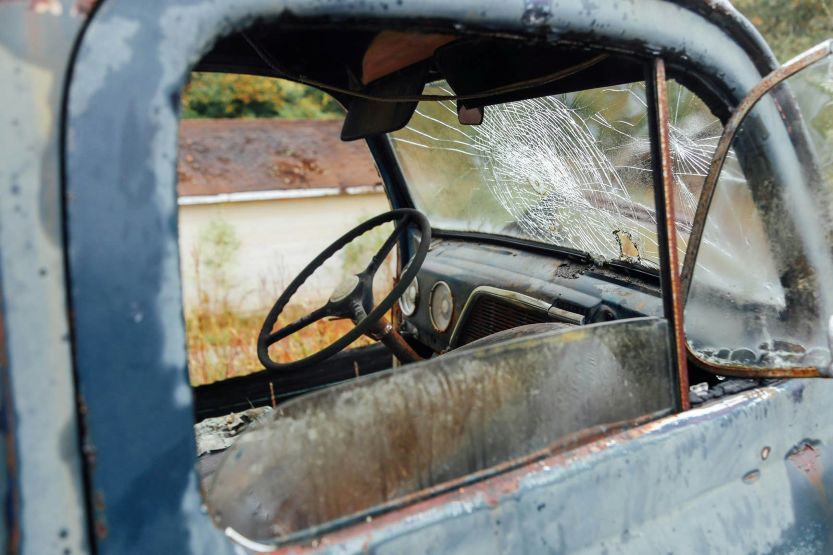
The reasons for a salvage title extend beyond a hard crash. Severe flood damage can ruin many elements. These are modules, connectors, carpets, sensors, and hidden harnesses. Fire can weaken metal and melt insulation. Theft recovery can leave missing airbags, wheels, converters, or interior parts. Hail can total an older model even when the engine is fine. States and insurance companies look at cost, safety, and identity risk, so the following situations deserve extra caution:
- Front, rear, or side collision damage with airbag deployment.
- Bent rails, roof crush, or compromised structural integrity.
- Water intrusion above the floor, especially saltwater exposure.
- Fire, smoke, or heat damage near wiring and fuel systems.
- Theft recovery with missing VIN plates, keys, modules, or major parts.
- Vandalism, hail, or animal damage.
The Difference Between Salvage, Rebuilt, and Junk Titles
The difference between a salvage, rebuilt, and junk record is legal use. A branded title does not mean exactly the same thing in every state. Therefore, salvage and rebuilt titles require careful review. A salvage vehicle cannot be registered until repaired and inspected. Rebuilt records show the vehicle returned from severe damage. A scrap title points toward parts only.
|
Record Type |
What It Usually Means |
Road Use |
Buyer Risk |
|
Salvage |
Serious loss, theft recovery, or damage claim |
Usually restricted |
Unknown repairs, limited insurance coverage |
|
Rebuilt |
Repaired and passed state review |
Often allowed |
Quality depends on receipts and workmanship |
|
Junk or scrap |
Not intended for normal highway use |
Usually not allowed |
Best for parts or a salvage yard |
How to Check If a Car Has a Salvage Title
Start with the VIN. Compare the seller’s story with state records. Review auction photos and repair invoices. A car with an accident history is not automatically a bad choice. However, gaps in damage disclosure can cost thousands after purchase. Buyers should also verify the title status directly with the state's motor vehicle agency whenever possible. Some states provide online title and branding records that can confirm whether a vehicle has been classified as salvage.
Decode the VIN Before Anything Else
A VIN decoder helps confirm essential details. These are year, make, model, body style, engine, plant, and restraint system. If a listing shows the wrong trim, missing airbags, or mismatched photos, stop and verify. The VIN also helps reveal whether the vehicle was imported or cloned.
How to Read a Vehicle History Report Like an Expert
A vehicle history report is not just a timeline; it is a risk map. Pay attention to VinGurus, a platform that can help shoppers see ownership changes, auction events, mileage entries, reported damage, and title status in one place. That matters because one overlooked prior salvage record can change financing, resale, and insurance options for a vehicle with a salvage title. Before you purchase a car, read the report in this order:
- Check the first and latest records for state changes or gaps.
- Compare odometer entries with service intervals and inspection dates.
- Look for auction labels, total loss notes, lien records, and theft recovery.
- Confirm whether the title on the car matches the seller’s paperwork.
- Save the report before negotiation. It gives you evidence to discuss the price.
What a Pre-Purchase Inspection Must Physically Check
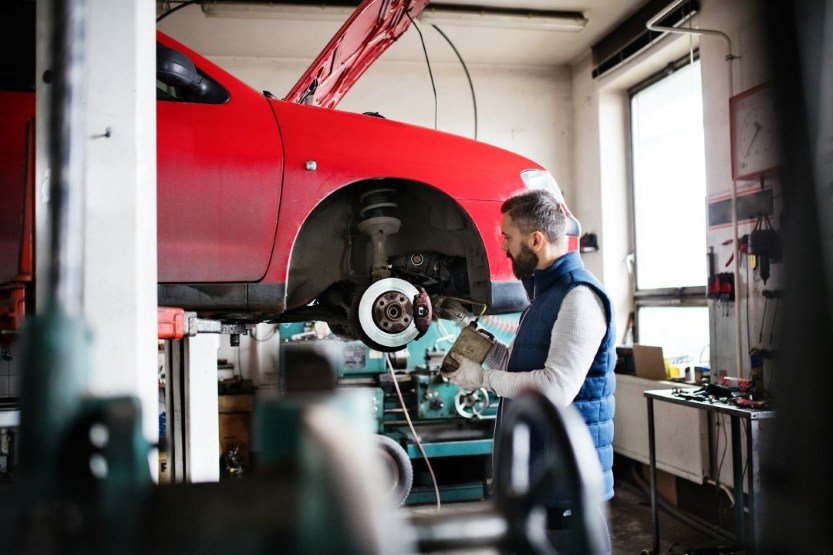
Paperwork can look clean. However, repairs may be hidden under paint, undercoating, or trim. A qualified technician should inspect the car on a lift and scan every module. For rebuilt title vehicles, the check should focus on safety, electronics, water signs, and repair quality. Ask for photos before repairs. Also, use this checklist:
- Measure frame rails, apron points, panel gaps, and suspension mounting points.
- Scan airbags, ABS, ADAS, battery, body, and powertrain modules.
- Inspect welds, seam sealer, corrosion, overspray, and replacement panels.
- Test all lights, cameras, seatbelts, sensors, windows, locks, and charging systems.
- Road-test for pulling, noises, brake vibration, steering angle errors, and overheating.
- Review receipts for OEM parts, airbags, glass, tires, alignment, and calibration.
What Sellers Must Disclose About a Salvage or Rebuilt Title
A car with a rebuilt title can be legal to sell, but the seller should not misrepresent the vehicle’s history for buyers considering cars with salvage titles. Disclosure rules vary, yet most buyers expect honesty about major loss events, repairs, and current record type. Private sellers, dealers, and auctions may follow different forms. Before money changes hands, ask for these items:
- The current ownership document and state loss certificate.
- Repair invoices, parts receipts, photos, and inspection paperwork.
- Written notice that the vehicle has a salvage title.
- Any known airbag, frame, flood, fire, theft, or odometer issue.
- A signed statement if the seller promises no remaining safety defects.
Pros and Cons of Buying a Salvage-Title Car
The pros and cons of buying a salvage title car depend on several factors. These are price, repair skill, intended use, and risk tolerance. A salvage title car can save money if the damage was cosmetic and repairs are documented. Still, salvage title cars may carry unknown problems. There may be weak resale value and fewer lenders, unlike a car with a clean title. Consider buying a salvage vehicle only after comparing real costs.
|
Pros |
Cons |
|
Lower purchase price than a vehicle with a clean title |
Harder to finance salvage cars or get full coverage |
|
Good source for a project, track build, or parts |
Car loan approval may be limited or expensive |
|
Possible value if repairs are minor and proven |
Insurance for a salvage record can exclude collision |
|
Room to negotiate using the report and inspection |
Resale is harder when you sell your car later |
VinGurus adds value here because it lets you see whether the story matches recorded events before you buy the car. When buying a used car, the report can reveal patterns that photos alone never show.
How to Calculate the Real Cost of a Salvage Car
The sticker price is only the starting point. To decide whether to purchase a salvage title car, calculate every cost. Use the following budget before you purchase a salvage deal:
- Purchase price, buyer fees, transport, storage, and taxes.
- Parts, labor, paint, calibration, alignment, tires, and fluids.
- State inspection, emissions, VIN verification, and registration fees.
- Higher auto insurance premiums or reduced coverage for salvage history.
- Financing limits if you need an auto loan to buy a car.
- Resale discount compared with similar clean-record models.
How to Convert a Salvage Title to a Rebuilt Title
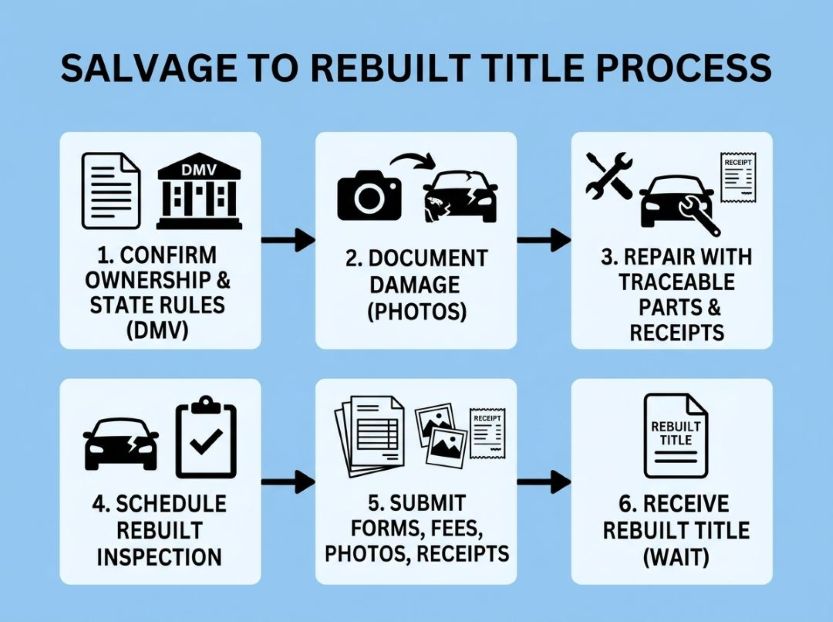
Many shoppers ask how to get a salvage title cleared, but a true clean title on a car usually does not return after a serious brand. The normal path is to repair, document, inspect, and get a rebuilt record. A rebuilt title means the state accepted the work for legal road use. Requirements vary by state. Call the DMV before work starts. Photos matter. Use this process:
- Confirm ownership and learn whether your state will issue a salvage title.
- Photograph damage before and during repairs.
- Fix the car with traceable parts and keep every receipt.
- Schedule a rebuilt vehicle inspection after all safety systems work.
- Submit forms, fees, photos, receipts, and the old record.
- Wait until the rebuilt title is issued before driving or selling a rebuilt salvage title vehicle.
VinGurus can support this step by helping you preserve a clear paper trail. A report may show the title status, mileage trail, and events that future buyers will ask about.
Virginia DMV states that a repaired rebuilt vehicle must pass an exam for safe operation and parts identity.
Should You Rebuild a Salvage Car or Sell It As-Is?
Rebuild only if the numbers, skills, parts access, and safety checks make sense. If you keep the car for years, resale may matter less than if you sell the car to a private party. If you need quick cash, selling as-is to a rebuilder or auction may be smarter. Do not repair the car blindly. Determine if the car needs frame work, airbags, ADAS calibration, or wiring first. Avoid salvage projects when estimates are vague. Another factor is market demand. Some vehicles retain enough value after repairs to justify the investment, while others remain difficult to insure, finance, or resell even with a rebuilt title.
Key Takeaways
- A salvage title indicates a serious loss. However, the exact rule depends on state law.
- Insurance companies use ACV, repair cost, and state thresholds.
- A salvage title vehicle needs records, inspections, and cautious pricing.
- A rebuilt car can be road-legal, but the brand usually stays in history.
- To secure lending or insurance for a vehicle with severe-loss history, expect more questions from lenders and insurers.
- The best protection is a VIN check, history review, inspection, and written disclosure.
Understand what the title may hide before you pay, because a cheap price story can become expensive fast.
Frequently Asked Questions
Are Salvage Vehicles More Likely to Have Odometer Issues?
Yes. Always compare mileage entries and service records. This helps avoid fraud and title washing. Review available inspections and federal odometer disclosures.
Can You Trade In a Car with a Salvage Title?
Yes. However, offers are usually lower. Resale, inspection, lender, and insurance options are limited for vehicles with a severe title history.
Is It Safer to Buy a Salvage Car from a Rebuilder or Directly from an Auction?
Usually from a reputable rebuilder. You can inspect finished repairs, receipts, and warranty terms. Auctions suit experts who understand hidden damage and transport costs.
Can I Rebuild a Salvage Car Myself and Drive It Legally?
Yes. However, consider your state rules first. The car must pass inspection, paperwork review, and registration steps.
Does a Salvage Title Affect Vehicle Depreciation Differently?
Yes, the discount is usually immediate and lasting. Future buyers, lenders, and insurers compare it against cleaner options even if the car now drives well.