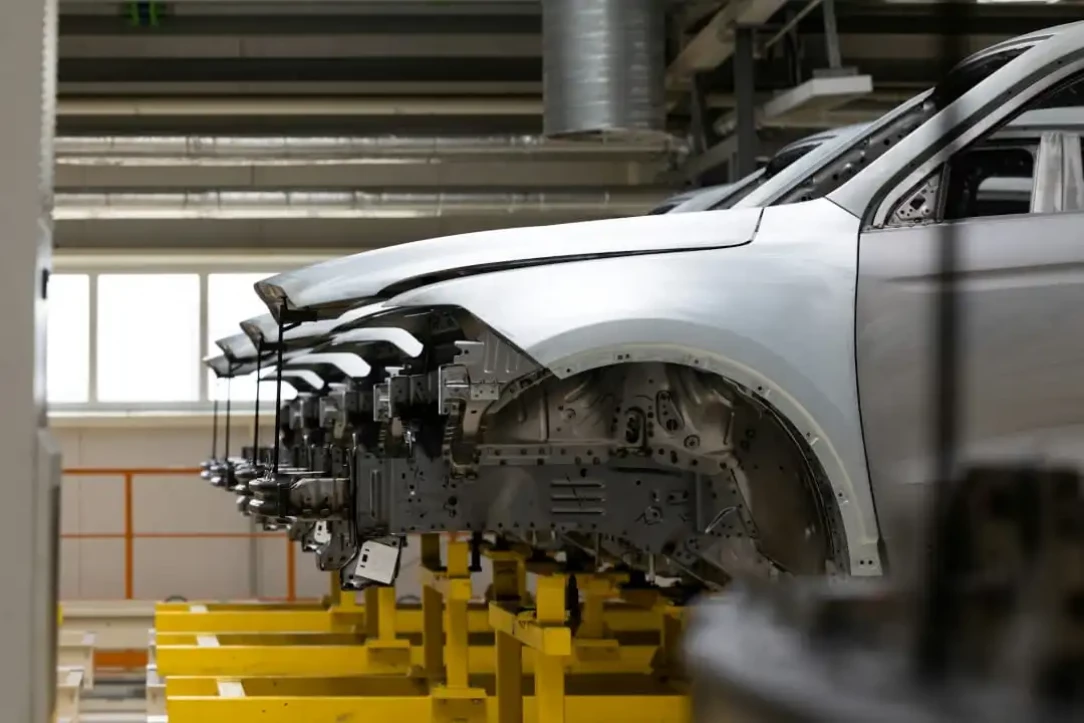
A manufacturer buyback is a legal decision that lets you return a vehicle the manufacturer couldn’t fix within the required warranty limits. You qualify when repair attempts or downtime reach your state’s Lemon Law thresholds, and the defect still affects safety or normal use. If approved, the automaker must calculate a refund using a set formula and handle the title and payoff process for you.
What Does a Manufacturer Buyback Mean?
A manufacturer buyback happens when the automaker takes back a defective vehicle after repeated failures during warranty coverage. It’s often handled through a buyback program, a claim team, or arbitration rather than a courtroom. The manufacturer reviews your records to see whether the vehicle was used normally. Once approved, the vehicle is repurchased by the manufacturer. It's removed from your file, and you sign papers that end your ownership. These repurchased vehicles may later be resold, so the paperwork matters. From an automotive standpoint, the goal is a fair reset.
It usually includes:
- A repurchase payment based on what you paid, minus a mileage deduction.
- Loan payoff handling and a letter confirming the transaction terms.
- A plan for how the manufacturer will retitle and mark the unit.
The Legal Model: How States Decide When a Car Qualifies
Most states use lemon car laws to decide if a vehicle qualifies for a manufacturer's buyback. It is required by law that a new vehicle must show a defect within a certain period after a reasonable number of attempts. If the vehicle meets the trigger, the state law sets records. The table below groups states by how strict or lenient their requirements are.
|
Group |
States |
Repair Attempts |
Days Out of Service |
Notes |
|
Group A — Strict / Consumer-Friendly |
California, New Jersey, Massachusetts |
2–3 attempts |
15–30 days |
Fast qualification; strong consumer protections |
|
Group B — Standard Threshold (Typical Lemon Laws) |
Texas, Florida, Ohio, Illinois, Pennsylvania |
3–4 attempts |
15–30 days |
Classic structure used in most states |
|
Group C — Higher Burden / Harder to Qualify |
Georgia, Arizona, Colorado |
3–4 attempts |
30+ days |
Narrower defect definitions; higher evidence requirement |
|
Group D — Safety-Focused Fast Track (Single-Attempt States) |
New York |
1 failed attempt for serious safety defects |
Not required |
Unique accelerated process specifically for safety-related failures |
The Technical Model: What Counts as a Serious Defect
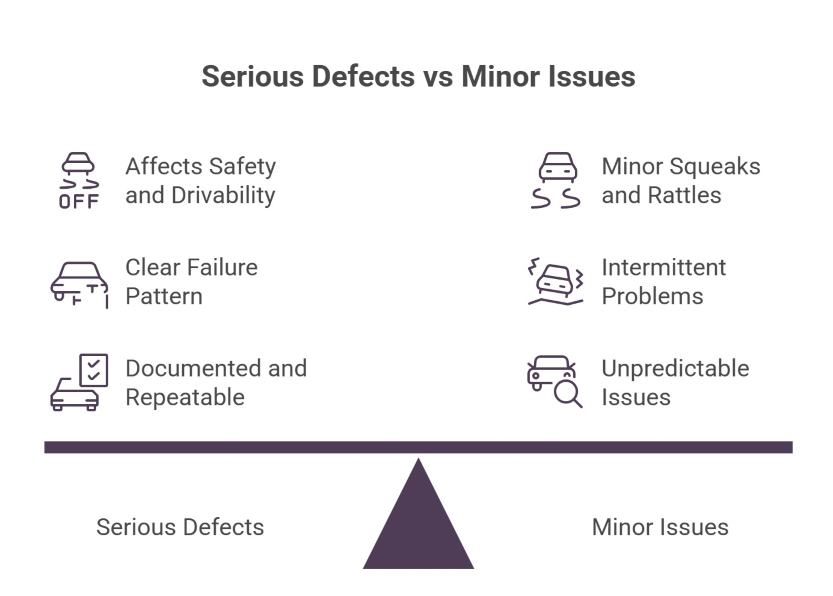
A serious defect affects safety, drivability, or a core function, not a minor squeak. Reviewers look for a clear failure pattern and a link to normal use. A car can also qualify as a lemon when the same condition returns. Problems can be mechanical or software-based. However, they must be documented and repeatable. When issues arise, and the dealer cannot resolve the condition, the case becomes stronger. If the warning comes and goes, ask the shop to note stored codes and the conditions that triggered them. In this case, the issue is easier to prove later.
Serious defects often fall into these buckets:
- Safety systems: Brake fade, airbag warnings, steering pull, ADAS faults.
- Powertrain: Engine stall, transmission slip, overheating, fuel delivery failure.
- Electrical: No-start, battery drain, lighting faults, infotainment reboot loops.
- Structural: Water leaks that trigger mold, corrosion, or shorts.
How to Check If You Qualify for a Manufacturer Buyback
Match service visits to state thresholds and factory terms. If the vehicle is in the shop repeatedly or you wait for your car to be returned, ask the manufacturer to review. Tracking patterns in your repair history is just as important as counting visits. Note whether the defect returns under the same conditions, whether new parts fail quickly, or whether technicians struggle to reproduce the issue. Consistent symptoms over time often indicate a systemic problem.
Understanding Documentation Requirements
Documentation is the backbone of any manufacturer's claim. Reviewers rely on dates, mileage, and symptom wording to decide whether repurchase is appropriate. Create a comprehensive timeline with every visit and rental day. Track days out of service carefully. Some states require a total of 30 days within the first year or another defined window.
Before each visit, write a one-line summary of the symptom. Hand it to the advisor so it appears in the RO. If the problem is intermittent, note the speed, temperature, and fuel level. Consider saving a quick video on your phone. These small details can stop a reviewer from calling the issue “normal operation.”
|
Document Type |
Required or Optional? |
Why It Matters |
Common Errors |
|
RO |
Required |
Confirms each visit, mileage, and complaint wording |
Missing dates; no mileage entry; wrong customer name |
|
Warranty claim |
Required |
Proves the work was billed under warranty coverage |
Vague symptoms; wrong concern code; no parts listed |
|
Service logs |
Optional |
Shows patterns across visits and days out of service |
Mixed timelines; skipped entries; unreadable scans |
|
Photos/videos |
Optional |
Captures warnings, noises, leaks, and repeated failures |
No timestamp; shaky video; unclear dashboard view |
Many approval decisions hinge on documentation quality more than the emotion of the complaint.
When Do You Need Only One Repair Attempt to Qualify?
This is relevant if the issue creates an immediate safety risk or a total loss of function, such as steering failure or a short that can spark. Some states waive extra visits in these cases. A vehicle history report helps show the failure wasn’t caused by prior damage. Manufacturers may also accelerate review after a single visit when technicians confirm that further diagnostics would not change the outcome. In cases where the underlying issue is clearly identifiable, additional repair attempts are often considered unnecessary, allowing the evaluation process to move forward sooner.
Calculating Your Buyback Value
Start with what you paid, then subtract a mileage deduction for miles driven before the first documented complaint. Formula:
- Repurchase amount = (price + taxes + fees) − mileage offset.
- Mileage offset = (miles at first service visit ÷ 120,000) × price.
- Add towing or rental if listed. Some letters call it a buyback, but the math should match.
For example, if you paid $32,000 and your first documented complaint was at 9,000 miles, the mileage offset is 9,000 ÷ 120,000 × $32,000 = $2,400. If your total purchase price with taxes and fees was $34,200, the estimated repurchase amount would be about $31,800, plus any eligible towing or rental reimbursements. Many states use a similar offset method in their Lemon Law calculations. For example, Florida publishes an official guideline on how to compute deductions.
How to Prove Defect Severity Early and Speed Up Approval
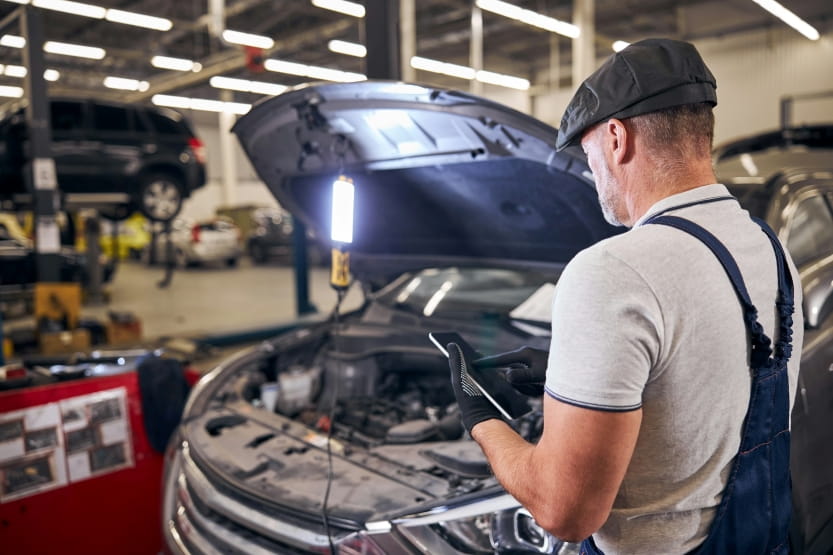
Your goal is to show the problem is real, repeatable, and tied to safety or daily function. Don’t wait for another breakdown if the vehicle behaves unpredictably. Start building evidence from the first visit. Ask for an inspection that is thorough. Request printouts of scan codes, freeze-frame data, and test results. If the warning light clears itself, ask the shop to document stored codes and the exact test plan used. If you own a car with a branded title, be extra careful, because reviewers may assume prior damage or modifications.
Steps that help you move faster include:
- Keep symptom descriptions consistent, including time, speed, and temperature.
- Ask the dealership to road-test with you and note “verified” when possible.
- Save photos/videos of warnings, leaks, and dashboard messages that day.
- Get an independent opinion from a mechanic if the RO says “could not replicate.”
The Complete Manufacturer Buyback Process in Simple Steps
Most manufacturer buybacks follow a similar path, even if the paperwork looks different by brand. You start with service records. Then, cooperate with a case manager and finally receive an offer that explains deductions and next steps. A gesture of goodwill can become a formal repurchase once the criteria are met.
The process is usually as follows:
- Open a case with the manufacturer and submit your ROs, timeline, and contacts.
- Continue authorized service visits until the threshold is reached or the issue is confirmed.
- Request escalation to the buyback team or arbitration if offered under policy.
- Review the offer, including payoff handling, fees, and the mileage deduction.
- Sign paperwork, return keys, and complete the title transfer and pickup.
Should You Choose Buyback, Another Repair, or Trade-In?
Choose buyback when the issue repeats, and you’ve lost trust in the vehicle. Another fix can make sense if an updated part or recall repair finally addresses the root cause. Trade-in is faster, but a branded title or the stigma around the most recalled car brands can lower offers. Compare payout, timing, and stress before you buy again.
Trade-in values can vary by thousands of dollars depending on trim, mileage, and title branding.
The Most Common Reasons Buybacks Get Denied
Denials usually come from evidence gaps, not from a reviewer “disliking” the story. The manufacturer will check for consistent symptoms, clear dates, and provide proof that the issue affects safety or function. They also verify that you file on time under strict rules and that the issue is covered by the limited warranty. They also verify that you file on time under strict rules and that the issue is covered by the limited warranty. This is not always the case, but clean files win more often. If a tech can’t duplicate the issue, request a follow-up drive with you present.
Use this checklist to review your file before you submit:
- Missing or incomplete ROs: No proof of the visit means the attempt may not count.
- Inconsistent symptom descriptions: Changing wording makes the issue look random.
- Technician notes saying “could not replicate”: This weakens the claim unless you add video proof.
- Insufficient number of service attempts: You may not have the required attempts yet.
- Not meeting the days-out-of-service threshold: Downtime may be below the trigger.
- Defect not tied to safety/functional failure: Cosmetic concerns rarely matter.
- Evidence of misuse: Neglected maintenance or modifications can shift blame.
- Filing outside statutory deadlines: A late filing is often unsuccessful.
How Title Branding Works for Buyback Vehicles
When a buyback vehicle is bought back by the manufacturer, states may brand the motor vehicle title in accordance with rules. In Texas, a repurchased vehicle is assigned a rebuilt-salvage style brand that signals the defect history even after successful repairs. In Washington, the title note identifies the car as “Previously Returned to Manufacturer,” which some insurers use to adjust coverage or premiums.
The seller must disclose the label and required notice to potential buyers at resale, even if repaired and thoroughly inspected. Expect auto financing limitations when you resell.
Your Options After a Buyback Offer
A buyback offer is not always final, but you need to read each line carefully. Confirm the mileage used, the deductions, and how the loan payoff will be handled. Then, compare it to your own records. Use a VIN decoder to confirm trim and factory options, because mismatches can change the base number. If you plan to buy later, ask how the manufacturer's buyback vehicle will be titled and what documents you will receive. Your options include:
|
Option |
Best For |
Watch Outs |
Practical Tip |
|
Accept the offer |
Fast exit and clear reset |
Deduction errors; missing reimbursables |
Ask for an itemized worksheet |
|
Negotiate terms |
When the math is off |
Delays if the docs are incomplete |
Send receipts and a clear counter |
|
Request replacement |
If you still want the model |
Availability and wait times |
Ask how the warranty restarts under the policy |
|
Decline and keep |
If the fix finally sticks |
Future title questions and future sale duties |
Consider an extended plan for service |
Mileage offsets often run about $0.10–$0.25 per mile in many state formulas.
Summary
- You qualify for a manufacturer buyback when repair attempts, days out of service, or a confirmed safety risk meet your state’s thresholds.
- Thorough documentation is your strongest leverage. Complete ROs, consistent symptom notes, and clear timelines prevent most claim denials.
- Severity matters: repeated failures or issues affecting safety or drivability can justify a buyback even when the problem appears intermittently.
- Your payout follows a predictable formula: ACV minus mileage deduction and any loan payoff. Always verify the manufacturer’s math.
- The process is linear: confirm eligibility → gather evidence → request review → complete inspection → finalize payout and title branding.
- Avoid common mistakes like mismatched technician notes, missing ROs, late filing, or relying solely on dealership statements about eligibility.
- Your next step is to review your repair history, organize documents, and estimate your potential payout before submitting a formal buyback request.
Frequently Asked Questions
Do Some Vehicle Buybacks Result from Customer Misuse?
Yes. A manufacturer may deny the request when inspection shows neglect, aftermarket tuning, or abuse caused the failure. In those cases, your rights can shrink, and the claim may not be regarded as a lemon outcome.
Why Do Certain States Impose Additional Warranty Requirements on Buyback Cars?
Some states add protections for the next buyer because a buyback vehicle has a known defect history. Rules can require added notice, a short protection term, or limits on how the vehicle can be resold.
Can High-Mileage Vehicles Qualify for Buyback?
Sometimes. A vehicle may qualify if the defect began during the original protection period and the first complaint is in the eligible window. The challenge is proving it wasn’t normal wear or poor maintenance.
Why Might a Buyback Be a Poor Choice for Rideshare or Commercial Use?
For commercial use, downtime costs money, and a branded title can hurt rider confidence. A manufacturer buyback vehicle can also affect insurance, and platforms filter listings because vehicles offer limited financing at an affordable price.
Can a Buyback Still Be Approved If Repairs Are Spread Across Multiple Dealerships?
Often, yes. Multiple sites can help, as long as the documents match. Gather all ROs, align dates and mileage carefully, and ask the manufacturer to certify the full timeline.