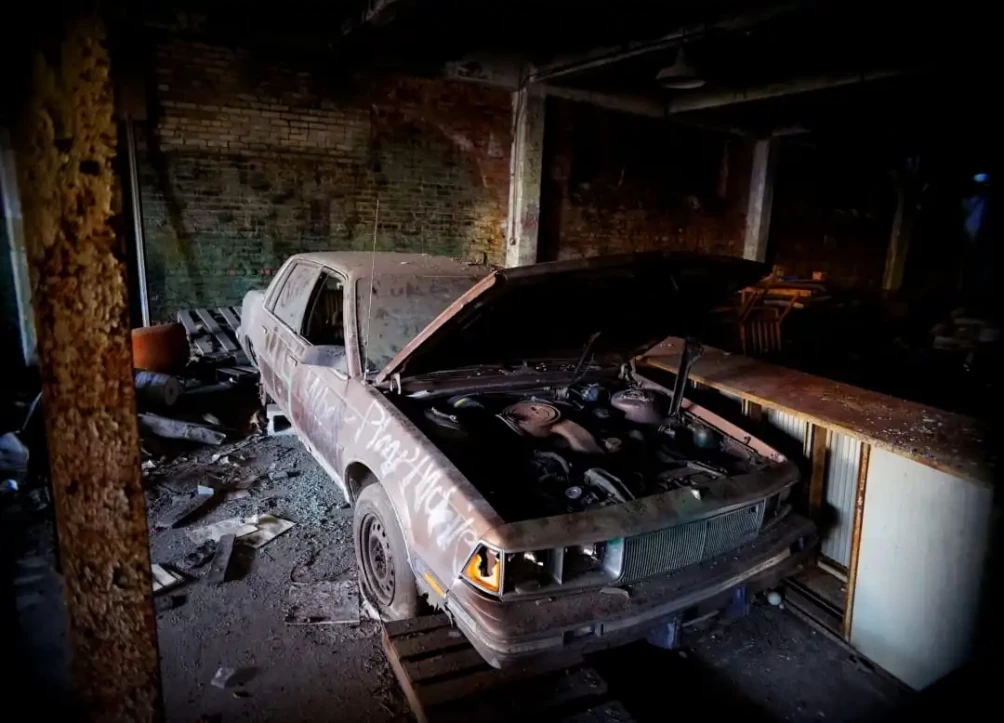
A rebuilt title means a car was previously declared a total loss by an insurance company, received a salvage title, and was later repaired and approved through a state inspection so it can legally return to the road. Buying a rebuilt title car can be safe and cheaper, often 20-40% less than a similar clean-title vehicle, but the risk depends on the type of damage.
What Does a Rebuilt Title Mean on a Car?
A rebuilt brand shows a major event in the car’s past. Usually, the car is totaled after a collision, flood, fire, theft recovery, or hail damage. Then, it's reviewed under state rules. As a rule, a salvage vehicle must pass official checks before it returns to normal use.
This does not mean the car matches a clean example. It means serious damage changed the record, and the owner later applied to return the vehicle to road use. Some states have different labels, so a blue rebuilt title or red rebuilt title is not a national standard. Title labels and requirements vary by state.
Ads can also mislead. You may see a restored title, a reconstructed car title, a rebuilt salvage title, or a certified rebuilt title. Examine the state file tied to the vehicle identification number. Verify that the current car title and registration are valid. A rebuilt title usually starts with a total-loss event.
To know what a rebuilt title is, review these basics:
- The car gets a salvage title first after major damage.
- The owner must repair and reconstruct it.
- It must undergo an inspection before approval.
- A salvage unit usually can’t be registered until that happens.
- Proper documentation matters.
Salvage Title vs Rebuilt Title vs Clean Title
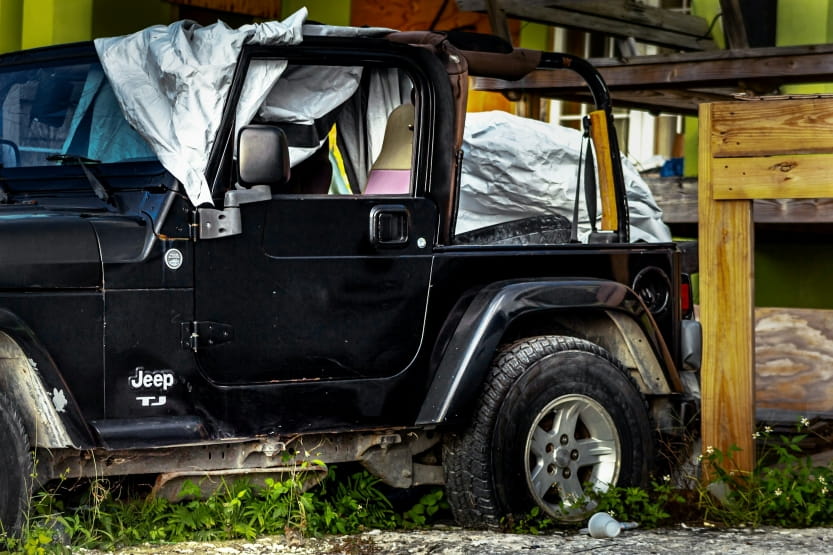
These labels mean different things. Clean means no major current brand. Salvage means the car was declared a total loss but not yet approved for regular use. Rebuilt means the loss happened, the work was done, and the state later allowed the car back into service. Official state agencies describe this process in detail. For example, the New Jersey Motor Vehicle Commission explains how a salvage vehicle must be repaired and inspected before it can receive a rebuilt title.
That difference affects insurance, financing, and resale. A vehicle with a salvage title is usually a parts or project buy. A vehicle with a rebuilt title may be legal again, but the past damage still matters to potential buyers. A clean-title used car is the easiest path for normal ownership.
Use this quick comparison:
|
Brand |
What it usually means |
Road status |
Insurance |
Financing |
Resale |
|
Clean |
No major brand |
Normal |
Broad |
Easy |
Strong |
|
Salvage |
Major loss, not approved yet |
No normal use |
Limited |
Hard |
Weak |
|
Rebuilt |
Prior total loss, then approved |
Usually legal |
Often liability coverage only |
Harder |
Lower |
|
Flood-damaged rebuild |
Water history |
State-dependent |
Restrictive |
Difficult |
Weak |
|
Buyback brand |
Warranty return |
Usually legal |
Varies |
Mixed |
Lower |
How Much Cheaper Are Rebuilt Title Cars?
Rebuilt title cars cost less. The discount, however, is relevant only if it outweighs the repair, insurance, financing, and resale risks.
A careful shopper would compare the market price discount with additional financial indicators. These are future repair bills, insurance limits, and lower resale.
Typical Price Discounts for Rebuilt Title Cars
Rebuilt cars often sell for less. The main reason is that the branded title lowers buyer confidence. The gap depends on age, mileage, damage type, and model. Even so, the brand usually stays attached for life.
Purchase price is only part of the cost. Future repairs, lower market value, and limited insurance can erase the savings. Insurance companies may narrow auto insurance choices, and many customers should expect a low offer when they try to resell. That is why car shoppers must think past the first deal.
A useful price assessment should include:
- Small discount: rarely worth taking.
- Medium discount: only with full proof.
- Large discount: fair only when the file is strong.
- Flood history: requires the largest price discount.
- Luxury models: need extra caution.
Insurance and Legal Process of Getting a Rebuilt Title
The process begins after a major loss. If the repair cost is too high versus the pre-loss value, the insurer can declare it a total loss; the car’s pre-loss value is the key benchmark. The National Highway Traffic Safety Administration notes that a badly damaged or flooded car may then receive a flood or branded loss mark before sale to rebuilders.
After that, the shop or owner completes the repair and saves receipts. Texas says rebuilt units must pass safety and anti-theft checks, while Georgia requires inspection paperwork before the owner can receive a rebuilt title. Those inspection requirements are one reason branded status never disappears. The rebuilt title issued by the state is proof that the car can legally be returned to use. It may be registered and driven on public roads.
The legal path usually looks like this:
|
Stage |
Who Is Responsible |
What Happens at This Stage |
Legal Outcome |
|
Accident |
Vehicle owner/insurer |
Major loss happens |
Claim begins |
|
Insurance evaluation |
Insurance company |
Cost is compared with value |
Loss decision made |
|
Salvage designation |
Insurance company or the Department of Motor Vehicles |
State record changes |
Brand applied |
|
Repairs |
Repair shop/vehicle owner |
Work and receipts are logged |
File moves forward |
|
Inspection |
State agency/approved inspector |
Identity and safety are checked |
Approval or rejection |
|
Rebuilt title issuance |
DMV or state agency |
State approves file |
The owner is issued a rebuilt title |
What Types of Damage Do Rebuilt Title Cars Usually Have?
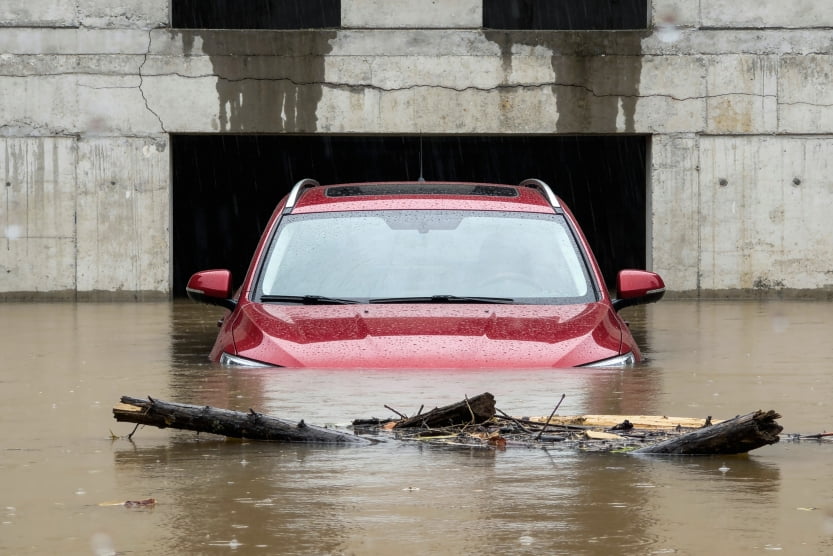
Not every rebuilt car was damaged in the same way. Some were mostly cosmetic losses. Others had structural, suspension, or electrical work that may create later trouble.
The usual damage types include:
- Front or rear collision damage.
- Side damage affecting suspension or doors.
- Flood exposure, corrosion, and module trouble.
- Hail damage.
- Theft recovery after parts removal.
- Fire or smoke damage.
- Structural work, including frame damage.
How to Check a Rebuilt Title Car Before Buying
Shopping for a used car with branded history takes more work. Before buying a vehicle, compare the file with the condition and verify the state record.
Use this checklist before money changes hands:
- Run the VIN. Utilize a reliable VIN decoder and confirm every brand shown.
- Check the odometer trail.
- Ask for before-and-after photos and receipts.
- Bring an independent expert or mechanic. Examine welds, airbags, leaks, and scan codes.
- Check body gaps, warning lights, and tire wear.
- Check recall status and state papers.
- Let a mechanic inspect the vehicle before you commit. Any sound case should also be inspected by a trusted mechanic.
Financing Problems With Rebuilt Title Cars
Financing is often where the deal gets harder. Some lenders refuse rebuilt-title vehicles outright. Others lend less because the vehicle’s value is harder to judge. That gets worse when the history indicates that the car was damaged in a flood or was not properly repaired.
Lenders worry about exit value. If they take the car back, they may struggle to move it. They also know that brand history, including a manufacturer buyback, can scare off future buyers and complicate car buying. Limited comprehensive insurance can make the loan look even weaker.
Here is the usual pattern:
|
Issue |
Clean example |
Rebuilt example |
Why it matters |
|
Loan approval |
Common |
Limited |
Higher lender risk |
|
Down payment |
Normal |
Higher |
More borrower equity |
|
Appraised value |
Easier |
Harder |
Fewer comparisons |
|
Interest rate |
Lower |
Higher |
Risk pricing rises |
|
Warranty |
More likely |
Limited or void |
Some policies exclude branded units |
|
Total-loss payout |
Predictable |
Lower |
Brand lowers value |
Is It Safe to Buy a Car with a Rebuilt Title?
It may be safe when the records and inspections all support the work. Nonetheless, safety always depends on the damage type and quality. A rebuilt title only confirms that the vehicle passed the required state inspection after the repairs. It does not guarantee the car meets original factory standards or that every damaged component was replaced.
Red Flags That Mean You Should Walk Away
Some rebuilt cars are fair budget buys. Others cause trouble. If the seller cannot explain the file clearly, leave.
This is where a lost car title story or weak documentation should stop the deal:
- Evidence of structural frame damage. Bent rails, odd welds, or heavy undercoating can hide unsafe work.
- Signs of flood or water damage. Mud, mildew, rust, or moisture can point to electrical failure.
- Missing repair documentation. No receipts means no way to judge the work.
- Inconsistent vehicle history reports. Conflicts can suggest hidden brands or fraud.
- Visible misalignment of body panels. Uneven gaps often reveal poor repair quality.
- Electrical system issues. Random warning lights often follow water or crash damage.
- Seller is refusing an independent inspection. If you cannot examine the car properly, leave.
- Suspicion of title washing fraud. A rebuilt title can mask a cleaner record from another state.
The Most Dangerous Types of Rebuilt Vehicles
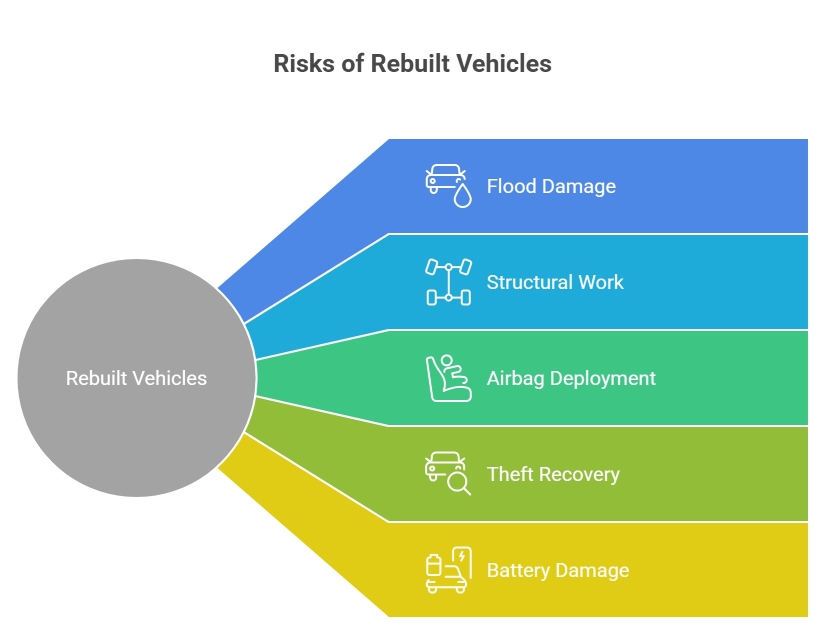
The highest-risk cases are the ones with hidden system damage. Flood damage can affect wiring and electronic modules for years. Severe structural work can change crash performance. Fire can weaken wiring and electronics.
The most dangerous rebuilt vehicles usually include:
- Flood-damaged cars with mildew or strong chemical odors.
- Cars with major structural work around rails, pillars, or roof areas.
- Units with airbag deployment but weak proof of replacement.
- Theft-recovery vehicles may be rebuilt with mixed parts.
- EVs or hybrids with battery damage or water exposure concerns.
What Problems Do Owners of Rebuilt Title Cars Face Later?
The biggest issue often starts after the sale. Vehicles with rebuilt titles can run well, but they still face limits that clean examples avoid. The brand can affect market value, trade offers, insurance choices, and demand. That is why understanding rebuilt titles matters in the automotive market before signing.
The long-term tradeoffs look like this, especially when compared with a new car or a cleaner used option:
|
Ownership Factor |
Clean Title Vehicle |
Rebuilt Title Vehicle |
Customer Impact |
|
Resale value |
Stronger |
Lower |
Harder to sell |
|
Trade-in value |
Stable |
Reduced |
Less negotiating power |
|
Insurance cost |
More options |
Often liability insurance only |
Fewer protections |
|
Buyer demand |
Wider |
Narrower |
Longer selling time |
|
Maintenance risk |
Normal aging |
Higher hidden risk |
More surprise costs |
Key Takeaways
If you need to know about rebuilt deals, keep these points in mind before you buy a rebuilt car. A rebuilt title due to flood is rarely the best first choice.
- Know the damage type first. Flood and structural losses are the hardest to trust.
- Match the record, photos, and receipts before you inspect the body.
- Have any deal checked by a mechanic, not just the seller’s shop.
- Low price is not enough when brand history can affect resale value and financing later.
- Missing records, strange branding, or title washing signs are walk-away warnings.
- A rebuilt car may be worth considering only when the documentation proves it.
Frequently Asked Questions
Do Rebuilt Cars Pass Emissions Tests Normally?
Yes, but only with proper repairs. Hidden engine, sensor, or wiring issues can still cause failure.
Can a Rebuilt Title Car Still Have a Manufacturer's Warranty?
Rarely. Manufacturer warranty policies usually exclude rebuilt, salvaged, or other branded vehicles from some coverage.
Where Do Most Rebuilt Title Vehicles Come From?
Most come from cars that were considered a total loss and then sold through salvage channels for rebuilding.
What Documents Should a Seller Provide for a Rebuilt Title Car?
The seller should provide documents proving the car’s damage history and repair quality, including the branded title record, salvage certificate, repair invoices, photos of the repairs, state inspection approval, and a recent vehicle history report.
Is It Harder to Trade-In a Car with a Rebuilt Title at a Dealership?
Yes. Many dealers discount rebuilt vehicles heavily or avoid them. Such units are harder to finance, warranty, and sell.