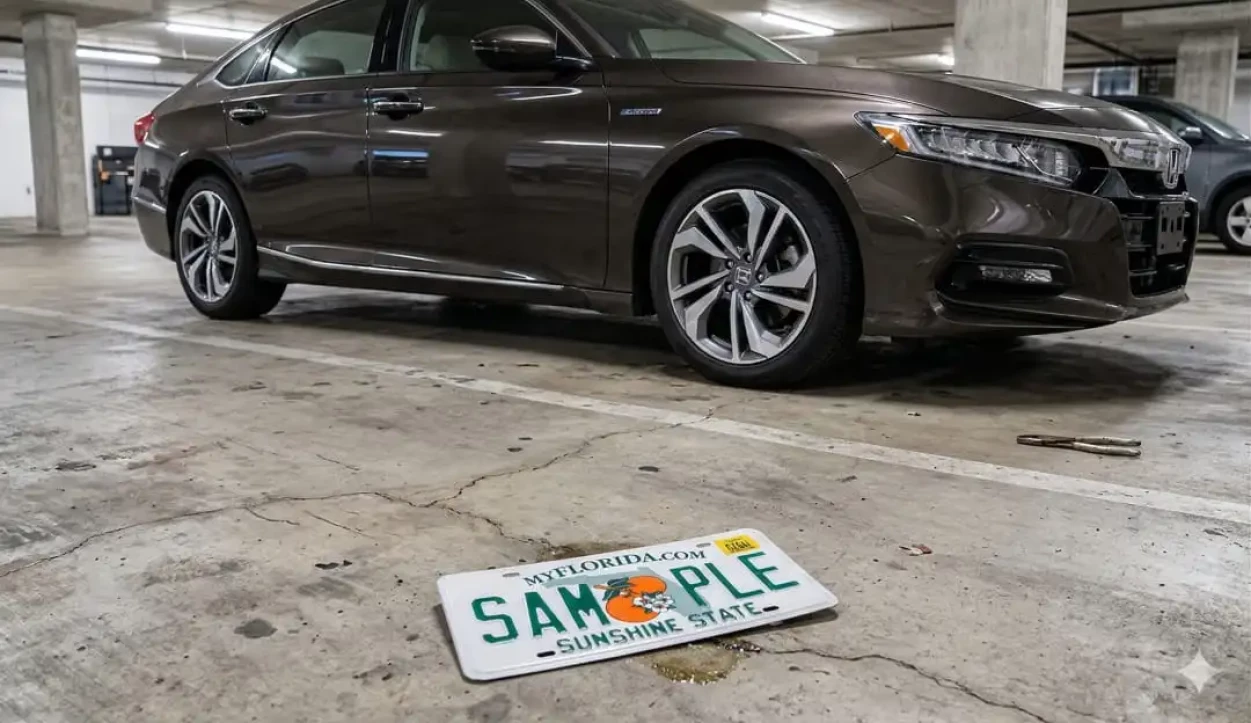
Driving without a front license plate is legal only if your vehicle is registered in a state that requires just one rear plate. In states that require two plates, you must display both front and rear plates or risk a traffic ticket, fix-it notice, or fine. Enforcement varies, but the rule is based on your vehicle registration, not where you are driving.
Key Takeaways
- Many states require two plates for passenger cars. Single-plate states issue only one rear license plate.
- A missing front license plate can lead to a warning, a fix-it notice, a parking ticket, or a fine.
- Rules change by vehicle class. Two-wheelers or a trailer may follow a different rule.
- The risk is highest in two-plate states and cities with active curb patrols.
- If plate theft happened, report it fast and replace the missing plate through the DMV.
- Proper mounting matters because covers and tint can still violate the law.
When Is a Front License Plate Required?
A front plate is mandatory when your state requires two license plates for your vehicle class. Some states require a front license plate on ordinary passenger cars, while others require rear license plates only for those same classes. That usually covers passenger cars and trucks, but certain vehicles follow different rules.
Two-wheeled vehicles and some commercial classes often receive only one plate. The fastest way to check whether you need a front license plate is to check your registration. Also, consult the state’s Department of Motor Vehicles. A vehicle history report helps if the car came from another state or had registration changes. In practice, the key checks are:
- The state requires two plates for passenger vehicles.
- The car is not in a single-plate class.
- Out-of-state registration does not automatically create a local exemption.
- The plate must be mounted in the location required by law, and you cannot fail to display a front license plate as required by statute.
- The display is readable and not blocked.
Front vs Rear License Plates: What’s the Difference?
The difference is more than location because license plate rules primarily concern visibility. A front plate helps officers, toll systems, and parking enforcement identify a vehicle from the front. The rear plate is the main identifier in traffic, especially from the back.
This is why license plate types matter: passenger vehicles, dealer vehicles, and special classes can follow different display rules. In two-plate states, front and rear plates must match and stay visible. The practical differences are below:
|
Point |
Front Plate |
Rear Plate |
|
Main use |
Identification from the front |
Identification from behind |
|
Common classes |
Passenger cars and light trucks in two-plate states |
Almost all registered vehicles |
|
Typical exceptions |
Motorcycle, semitrailer, and some dealer or tractor classes |
Fewer exceptions |
|
Common issues |
No bracket, poor mounting, blocked sensors |
Dirt, covers, racks, weak lighting |
|
What matters most |
visibility standards and angle |
Legibility and light at night |
Front License Plate Laws: Strictest States vs Most Lenient
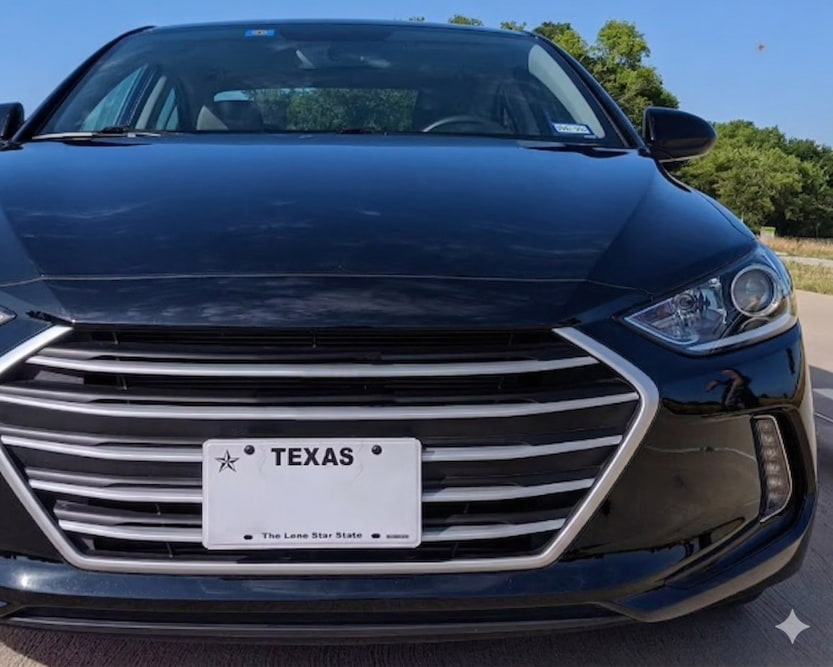
If you want to know where enforcement is stricter, start with states with front license plates that clearly require a two-sided display for normal passenger vehicles. California, New York, Illinois, Virginia, Massachusetts, Colorado, and Washington are examples. Florida, Michigan, and Pennsylvania are more lenient for standard passenger cars. They generally use one rear plate.
Every state still bans fake, altered, or unreadable tags, and many rules require clear display. Cities may also write local tickets when a parked car does not show a proper plate. Some states require front and rear license plates for ordinary passenger cars. Watch for changes in legislation that would change local display rules. The pattern usually looks like this:
|
State group |
Most Attention |
Why |
|
Stricter group |
California, New York, Illinois, Virginia, Washington |
The law or DMV guidance says ordinary passenger vehicles require both front and rear |
|
Middle group |
Colorado and states like it |
The rule exists, but local practice can vary |
|
Lenient group |
Florida, Michigan, Pennsylvania |
Standard vehicles usually get one rear plate only |
|
Risk everywhere |
Every state |
Obscured, fake, or unreadable plates still draw tickets |
Does It Matter Where Your Car Is Registered?
Yes. Vehicle registration is usually the first thing officers look at. The plate setup follows the law of the issuing state.
Still, local enforcement can react if the display looks fake, covered, expired, or wrong. Enforcement can depend on the state, the city, and how obvious the problem is.
Exceptions to the Front Plate Requirement
Real exceptions exist, but some states require front license plates for ordinary passenger cars. A missing dealer-installed bracket does not make the car legal, and it does not change the need for a front license plate. A driver who removes the front plate for aesthetic reasons is not exempt. Before you destroy old license plates, check what your class was actually issued. Some states create special rules. They concern limited-use vehicles, dealer tags, antique plates, or fleets. Use this checklist before you assume the vehicle is exempt:
- May count: a motorcycle that is issued one plate.
- May count: a trailer or semitrailer that uses a rear plate only.
- May count: a truck-tractor or road-tractor class that places its plate on the front only in some states.
- May count: vehicles exempt under antique, dealer, government, or other special statutes.
- Usually does not count: no factory bracket.
- Usually does not count: not liking holes in the front bumper.
What Happens If You Don’t Have a Front Plate?
You may get a warning, a correctable ticket, a parking citation, or a fine. In stricter places, these plate violations can result in fines and more paperwork if you ignore them. A missing front plate can also increase attention during routine stops, since it gives officers a visible reason to check registration or documentation.
Can You Get Pulled Over Just for This?
Yes, sometimes. In states that treat it as a clear equipment offense, police can stop a car just for a missing front plate. In other places, it shows up more during parking enforcement or after another reason for a stop, similar to a secondary enforcement stop.
Parking Tickets vs Driving Violations
A missing front plate creates two risks. One happens while the car is moving, and an officer writes a traffic citation. The other happens when the car is parked, and a city writes a ticket. In dense cities, enforcement cameras and parking officers often rely on front visibility. A front license plate helps authorities identify a vehicle before the rear is even visible. The difference is easier to see here:
|
Situation |
Typical Path |
What Usually Follows |
|
The car is moving |
State traffic stop |
Warning, fix-it notice, or fine |
|
The car is parked |
Municipal or parking ticket |
Fine, fees, and possible hold issues if unpaid |
|
The plate is fake or switched |
More serious violation |
Larger penalty and more scrutiny |
|
The plate was stolen and documented |
Officer or hearing discretion |
Better chance to dismiss or reduce |
First Offense vs Repeat Violations
The first ticket is often fixable, but a second plate issue rarely gets the same treatment. A driver who installs the missing plate quickly and shows proof may get a penalty reduction or dismissal. Repeat violations are different because they show the owner chose not to comply. That usually means less sympathy from an officer or judge. It can also make a parked car more expensive over time. Here is the usual pattern:
|
History |
Common result |
Practical effect |
|
First offense |
Warning or correctable citation |
Lower cost if fixed fast |
|
Second offense |
Standard fine is more likely |
Less flexibility |
|
Repeat city tickets |
Multiple fines |
More debt and more hassle |
|
Suspicious repeat display issues |
Closer review |
More stops and questions |
Can You Drive Without a Plate If It Was Stolen?
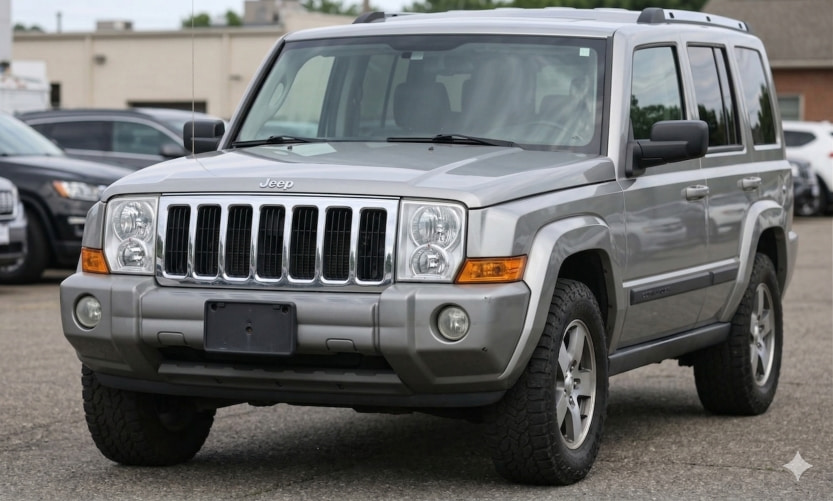
Do not assume a stolen front plate gives you a pass. Most automotive agencies require owners to replace lost or stolen plates right away. New York waives the fee for stolen plates if you bring a police report, while California says replacement should happen immediately. Do not keep driving for days without documentation. The safer move is to create a record, carry the paperwork, and fix the display fast. This short list covers the smart response:
- Report plate theft to local police immediately.
- Keep the report number and your driver’s license with you.
- Ask the DMV how to get a replacement and whether a temporary document is available.
- Do not use an extra license plate, a decorative tag, or the rear plate on the dashboard.
- Save receipts, forms, and photos in case you need to contest a ticket.
Should You Install One or Take the Risk?
If your state does require a front license plate, install it. The cleaner appearance is not worth repeat tickets, suspicion, or wasted time during stops or hearings. Many drivers prefer a no-drill setup. However, it still has to stay readable. If you’re undecided, use a simple rule: if you park on the street, drive daily, or use paid parking or toll roads, install it now. If the car is rarely driven or mostly kept off public roads, you can delay, but be ready to fix it immediately if the situation changes.
What to Do If You Already Got a Ticket
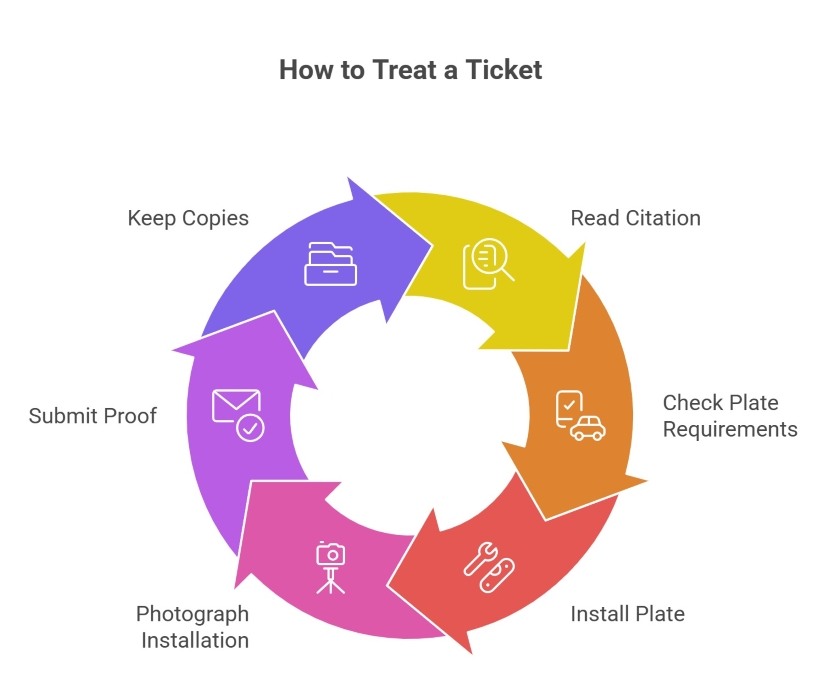
Treat the ticket as a compliance task, not a crisis. First, read the code section. See whether it is a moving, parking, or correctable defect ticket. Next, confirm whether any exemption applies. Then fix the display before the deadline if the rules require it. Keep all documents if the plate was stolen. If the car was involved in a crash, a car accident lawyer may need the citation record. Use this order:
- Read the citation and mark the deadline.
- Check whether the state requires a front license plate for that class.
- Install the plate, the bracket, and any hardware needed for legal display.
- Photograph the finished mounting. Keep your receipt.
- Submit proof, pay, or contest the ticket exactly as instructed.
- Keep copies until the case is closed.
Best Ways to Install a Front Plate Without Ruining Your Car
Hardware matters here. The best method depends on the grille, bumper, sensors, and cooling openings. This is also the best time to learn how to install a front license plate bracket that fits the car, rather than using a generic kit. Most setups require stable hardware. Safe mounting is better than a risky shortcut. These options usually work best:
- Use the factory bracket when the car came with one.
- Use a tow-hook bracket on models designed for it.
- Use hardware made to mount a front plate without bad drilling.
- Test cameras and parking sensors before final mounting.
- Recheck bolts after a few days so vibration does not loosen the plate.
Can Someone Look Up Your Car Without a Front Plate?
Yes, but it is less convenient. A license plate lookup usually starts with a visible license plate number. Missing front car tags reduce casual identification. The car is not anonymous, because the rear plate, VIN, toll records, and sale data can still point to the owner.
Frequently Asked Questions
Does a Missing Front Plate Affect Liability in an Accident?
Not by itself. A missing front plate is usually a display violation, not an automatic fault rule. However, it can still appear in the report if officers note it.
Are Tinted Covers Illegal If They Obscure Part of the Plate?
Yes, often. States commonly ban covers, frames, or films that hide letters, numbers, tabs, or the issuing state. Plate visibility and readability must stay intact for enforcement and safety.
When Do State Inspections Check Specifically for Front Plate Compliance?
During a vehicle inspection or safety inspection in states that require registration display items. If the law does require the plate and it is missing, damaged, or unreadable, the car may fail.
Can I Delay Installing a Front License Plate After Moving to a New State?
Only briefly, if your new state gives a residency window. Once local registration is due, waiting raises ticket risk because the new state can require its own display rules.
Are Electric Vehicles Treated Differently for Front Plate Laws?
Usually no. The rule follows registration class, not fuel type. However, EV models with special plates or design issues may have separate DMV hardware guidance.
Can I Mount My Front Plate Inside the Windshield?
Usually no. In most states that require two plates, the front plate must be mounted outside in the proper location.